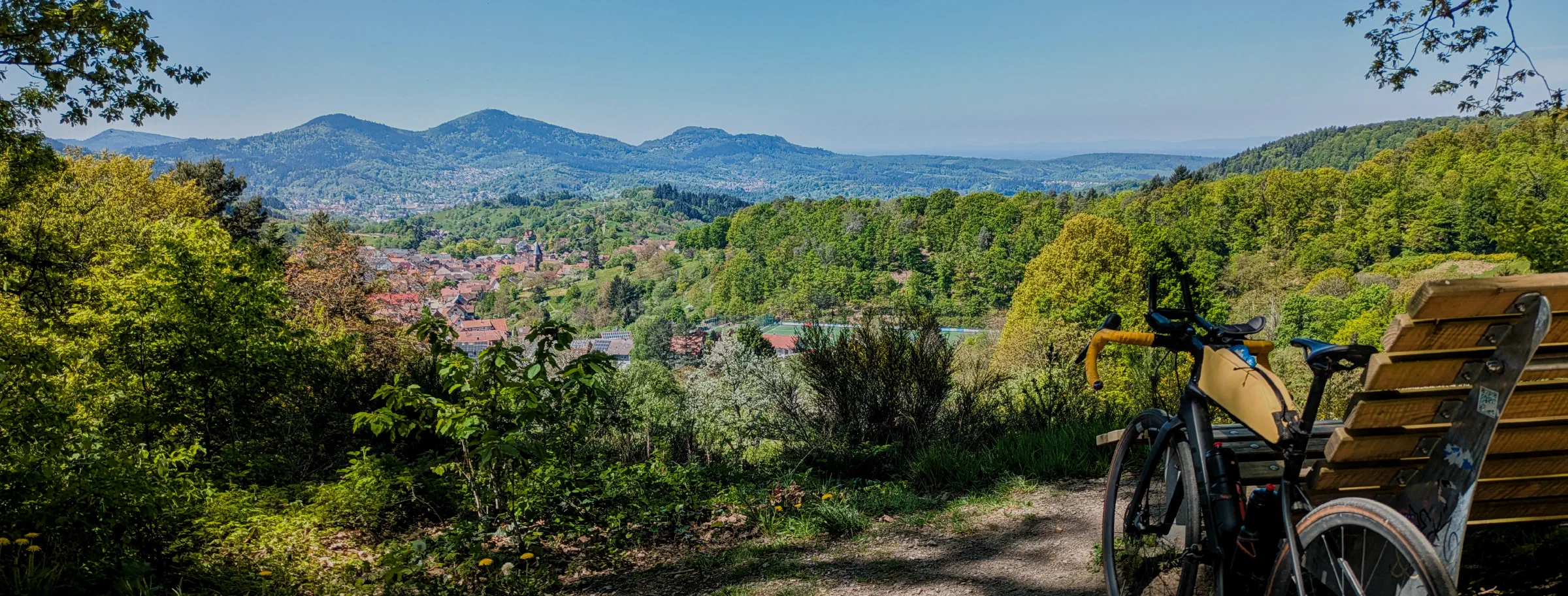
Two weeks in Denmark, two bikes, and a clockwise loop around Jutland: In the summer of 2023, Jonas and I headed north along the North Sea, through Skagen, and back south along the eastern coast. But what really stuck with me weren’t the lines on the map—it was the wind, the dunes, a cramped tent during a thunderstorm, countless places to camp, and way too many hot dogs.
What We Actually Rode
The 13 recorded daily stages totaled approximately 1,101 kilometers, 5,012 meters of elevation gain, and 52.8 hours of riding time. The Komoot tour used for planning is embedded below for reference.
| Date Range | Stages | Distance | Elevation Gain | Riding Time |
|---|---|---|---|---|
| July 9–21, 2023 | 13 | 1,101 km | 5,012 hm | 52.8 h |
The North Sea, Dunes, and the Road to Skagen
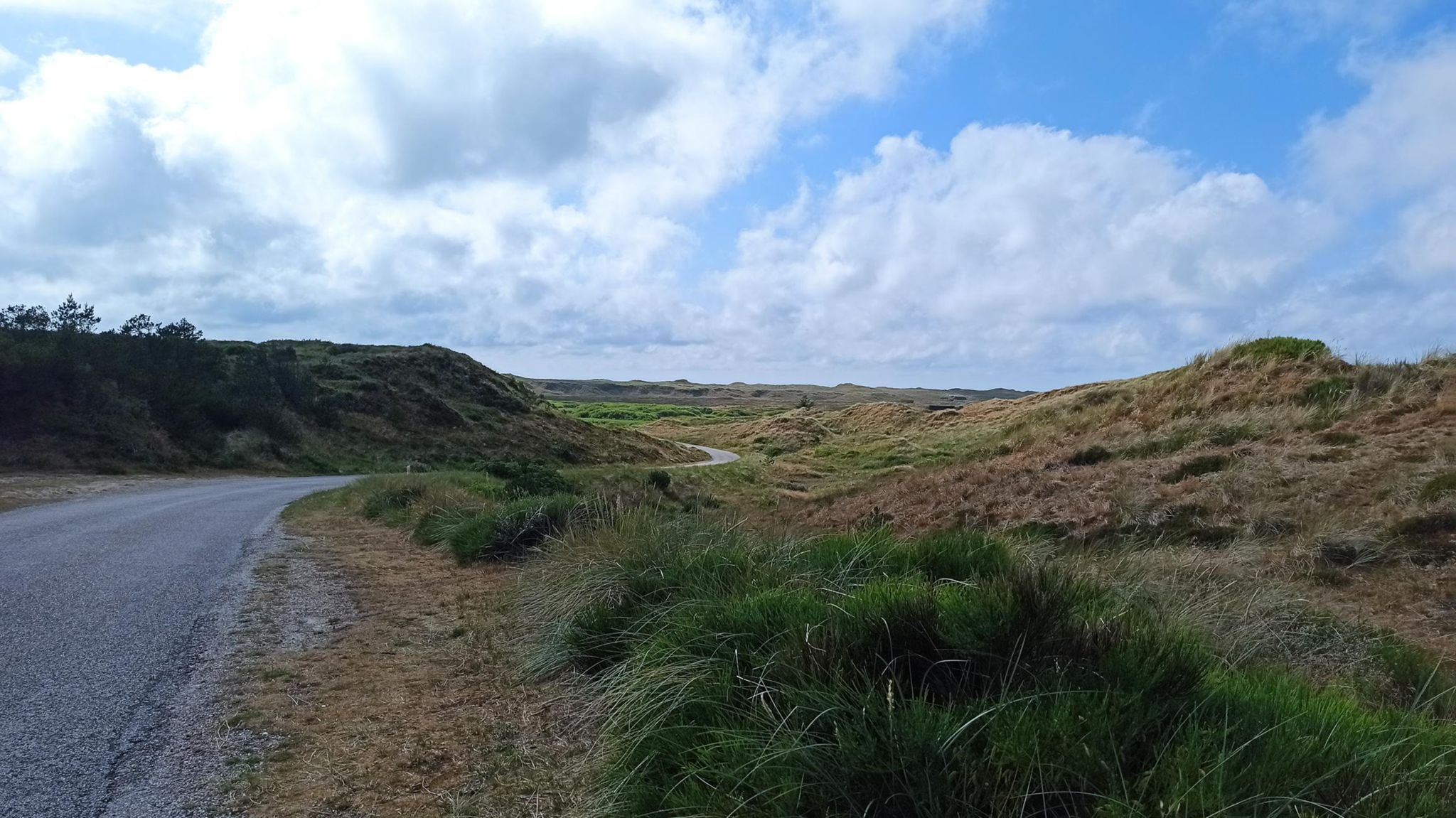
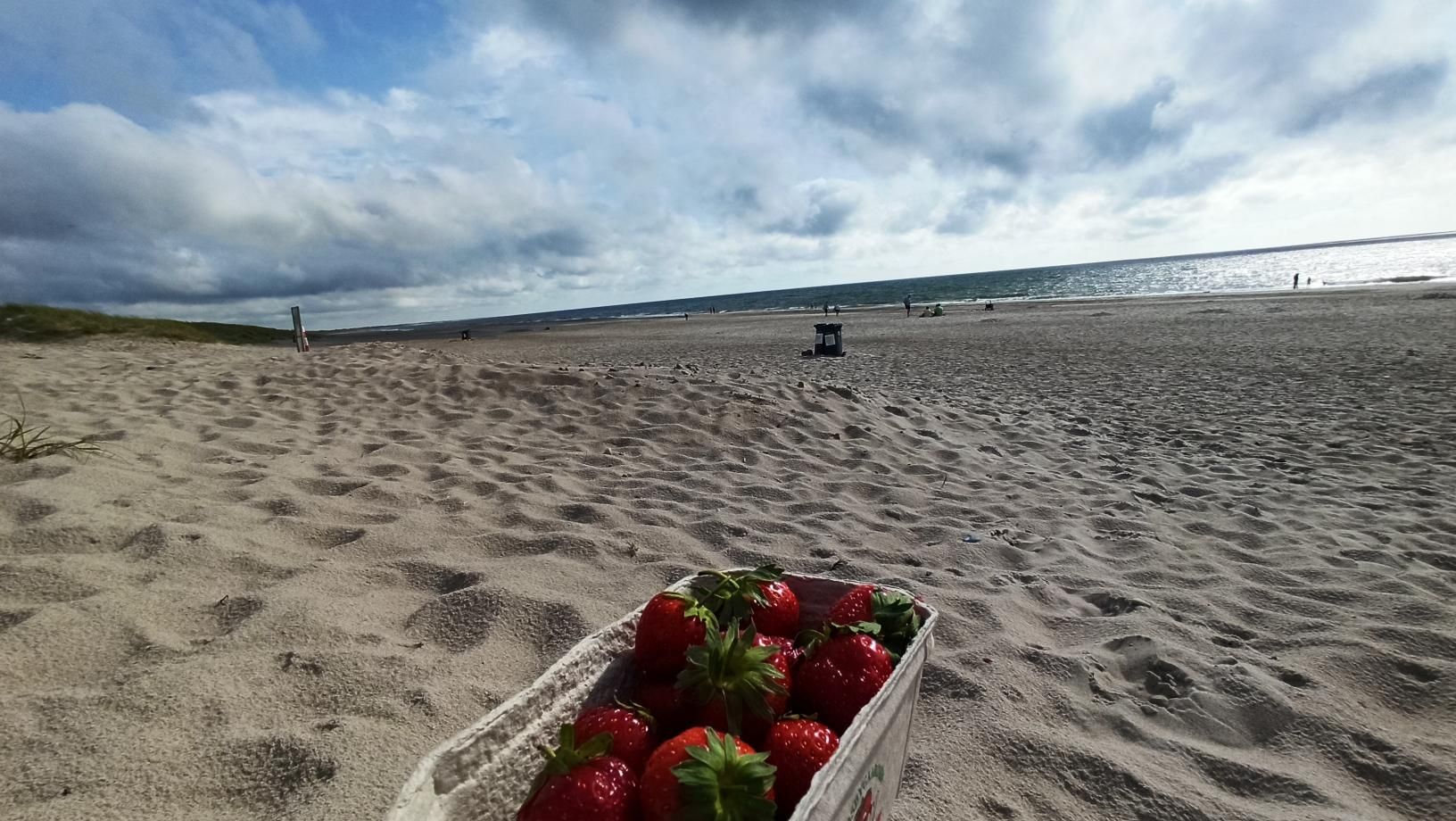
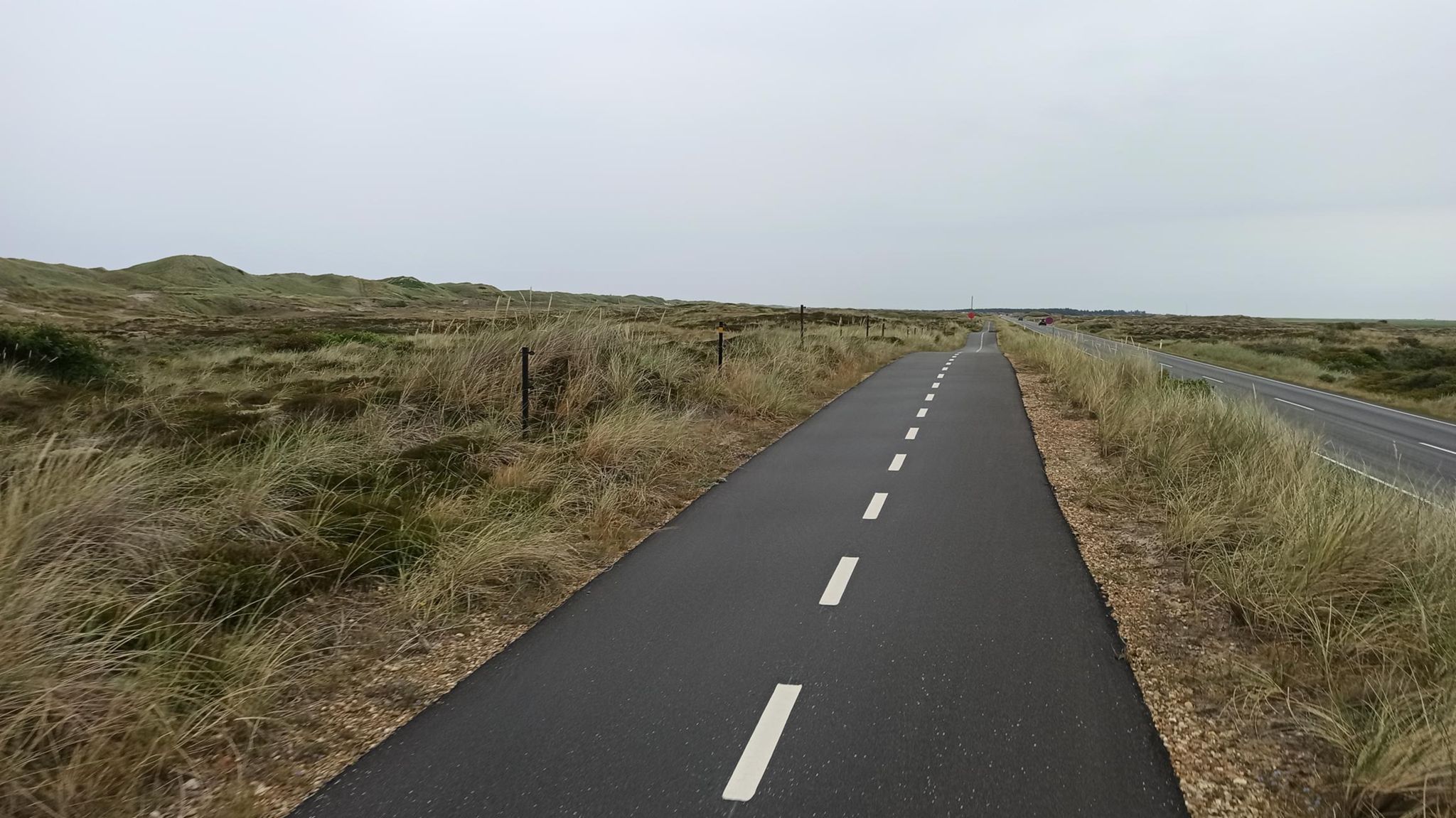
On the west coast, Jutland was exactly what we’d hoped for from the tour: plenty of space, narrow roads, and dunes stretching for kilometers along the horizon. A swim in the North Sea was one of the best moments of the trip—cold water, wide beaches, and then back on our loaded bikes.
The further north we went, the windier it got. It was especially rough in Skagen. Still, the headland where the waves mark the boundary between the North Sea and the Baltic Sea was a destination well worth the trip. Only the seals we’d been hoping to see didn’t show up.
Shelter Sites: More Than Just a Roof
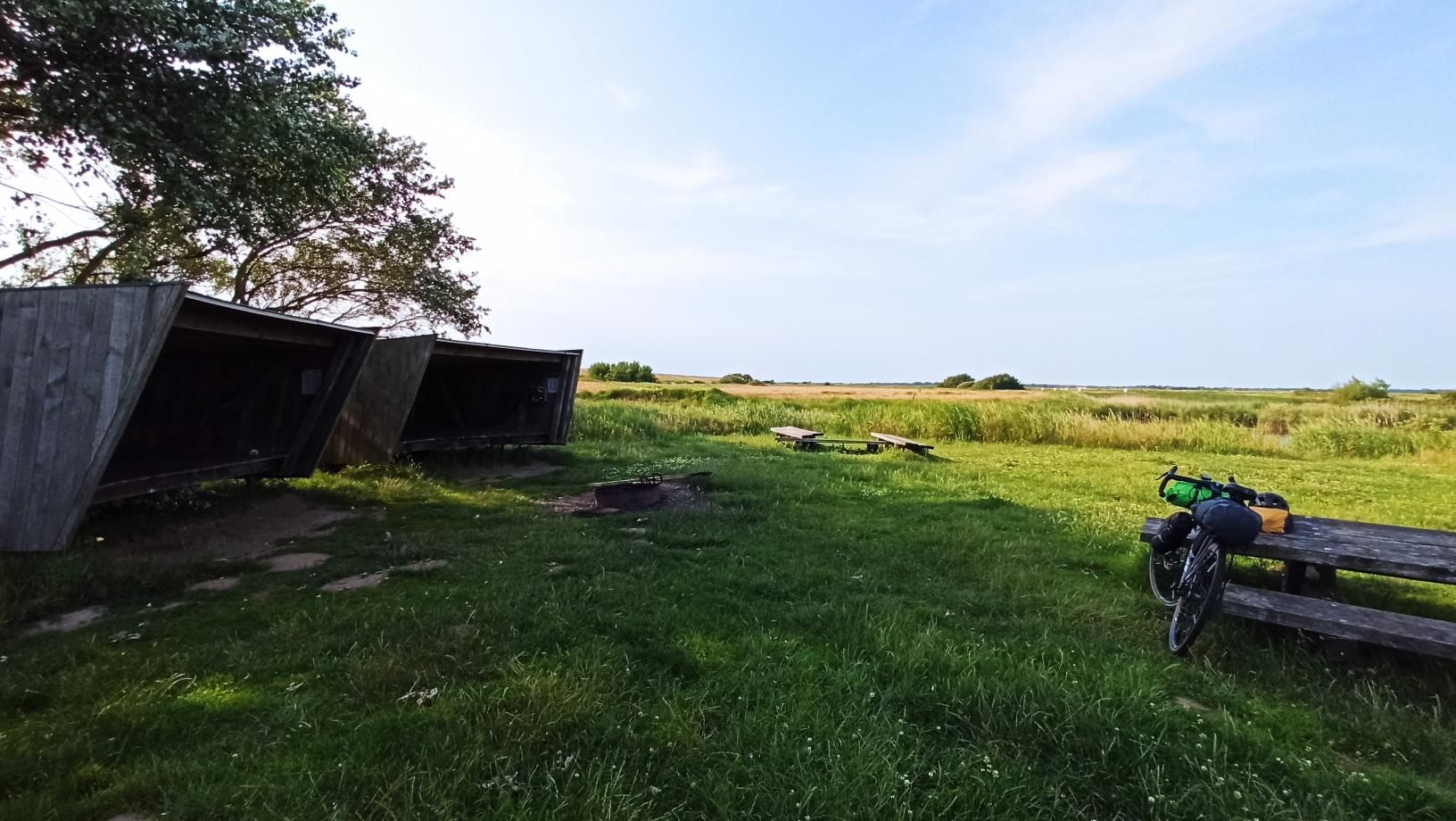
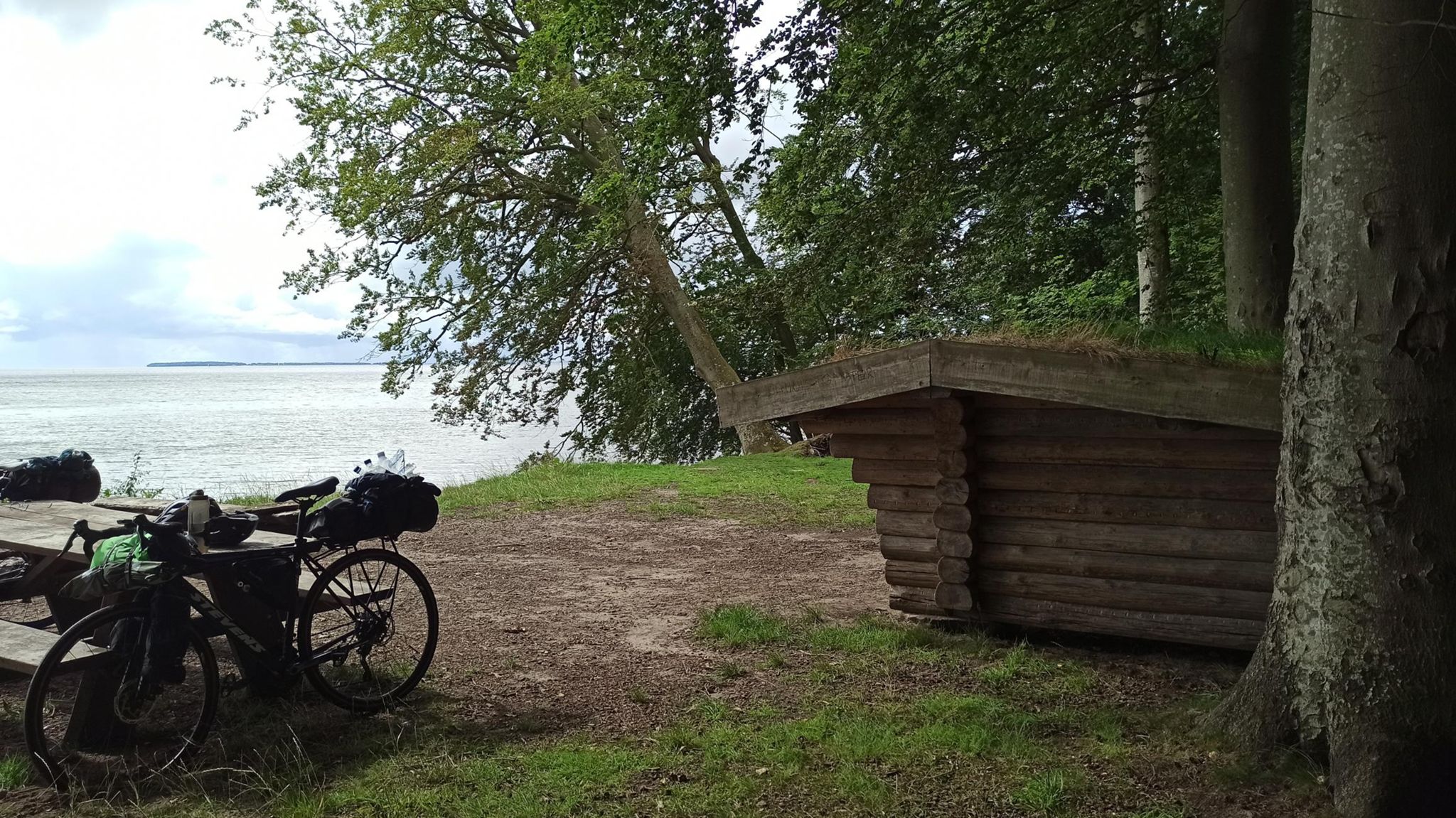
The best places to spend the night were often the simple shelter sites. At many of them, we set up our tent or stayed in the shelter right in the middle of nature, met other travelers and locals, and found exactly the peace and quiet we were looking for after a long day on the bike.
Not every spot was comfortable: the most beautiful, remote shelters in particular often had neither water nor a restroom. Spots near parking lots or towns, on the other hand, were often much more crowded. We avoided such places whenever possible and preferred to head out to where no cars could go.

Headwinds, Thunderstorms, and Too Many Flat Tires
The first leg of the journey south was the toughest of the trip: brutal headwinds, long straight stretches, and the feeling that every kilometer counted double. Later—fortunately after we arrived at a campground—a violent thunderstorm rolled in. Fortunately, the tent held up—but the night made it very clear why you should have proper gear when bikepacking.
Flat tires were also far too common. My conclusion is clear: I’ll never ride in the north without tubeless tires again. The gravel trails with sharp pieces of shell are simply too much for bicycle tubes.
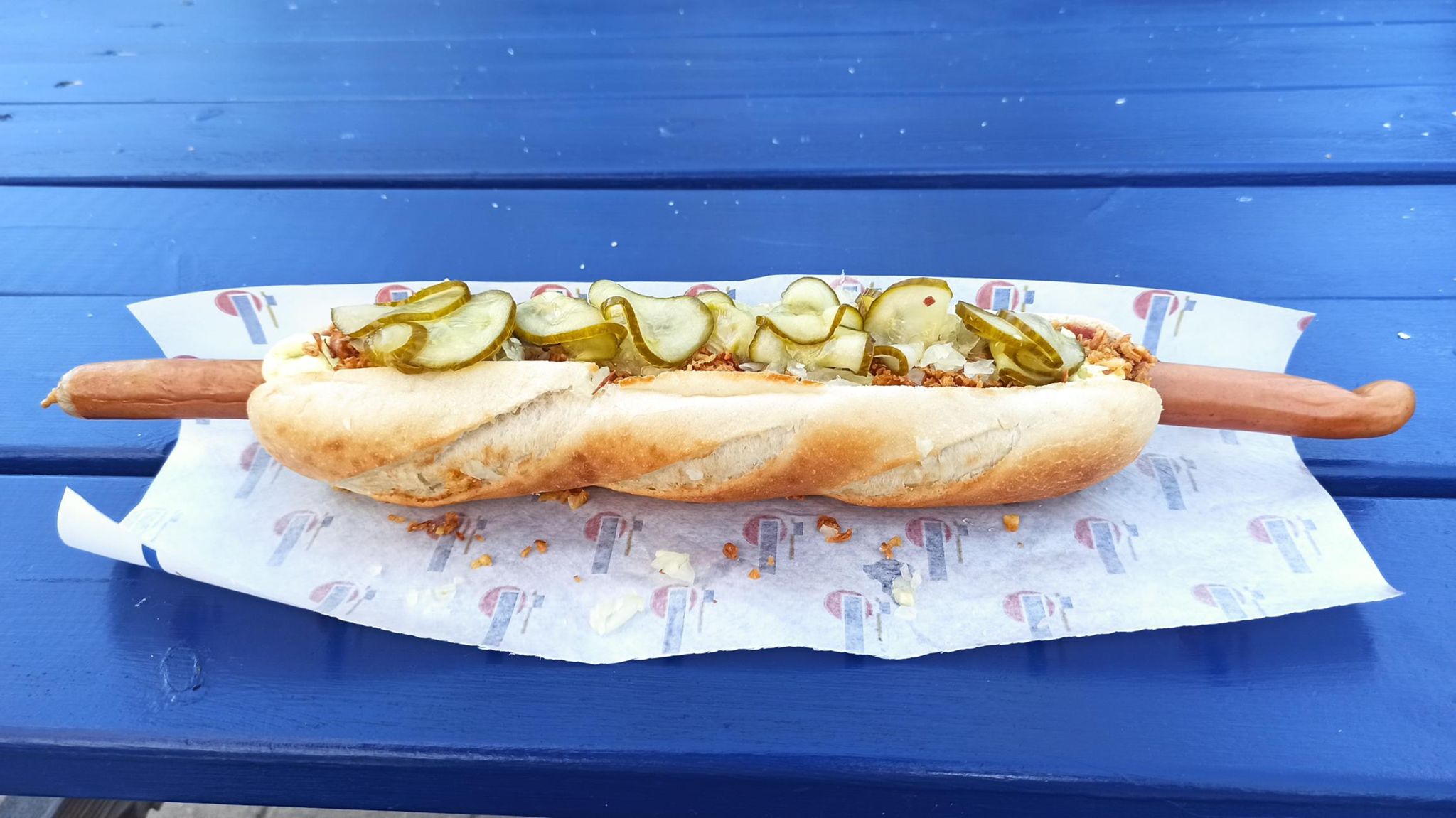
And then there was the food: sweet Danish pastries were far better on the road than any energy snack. At some point, I’d had enough of hot dogs. One is good, a few are iconic—but that’s enough.
The East Coast: More Urban, But No Less Impressive
The east coast of Jutland felt different. It became more urban: chic towns, better infrastructure, and less of the rugged, empty wilderness of the west coast. Those seeking nothing but peace and quiet will likely remember the west coast more fondly.
With a bit of luck, though, we also found beautiful, secluded shelters and quiet stretches along the water on the east side. It was precisely this contrast that made the tour special: the west coast for dunes, nature, and forests, and the east coast for culture and shallow seawater.
What Sticks with Me from the Tour
The Jutland loop wasn’t a perfectly optimized bikepacking tour. There were headwinds, thunderstorms, flat tires, basic infrastructure, and too many hot dogs. That’s exactly why it’s stuck with me so well.
Denmark is surprisingly straightforward for this kind of trip: You move quickly through open countryside, find great places to stay with a little planning, and can switch between experiencing nature and enjoying good amenities along the way.
Would I ride this loop again? In a heartbeat—this time with tubeless tires and slightly lighter luggage.
Planned Loop
The embedded Komoot route served as our guide before the trip: 1,120 km and 4,110 hm. The actual tour data is listed above.